Description
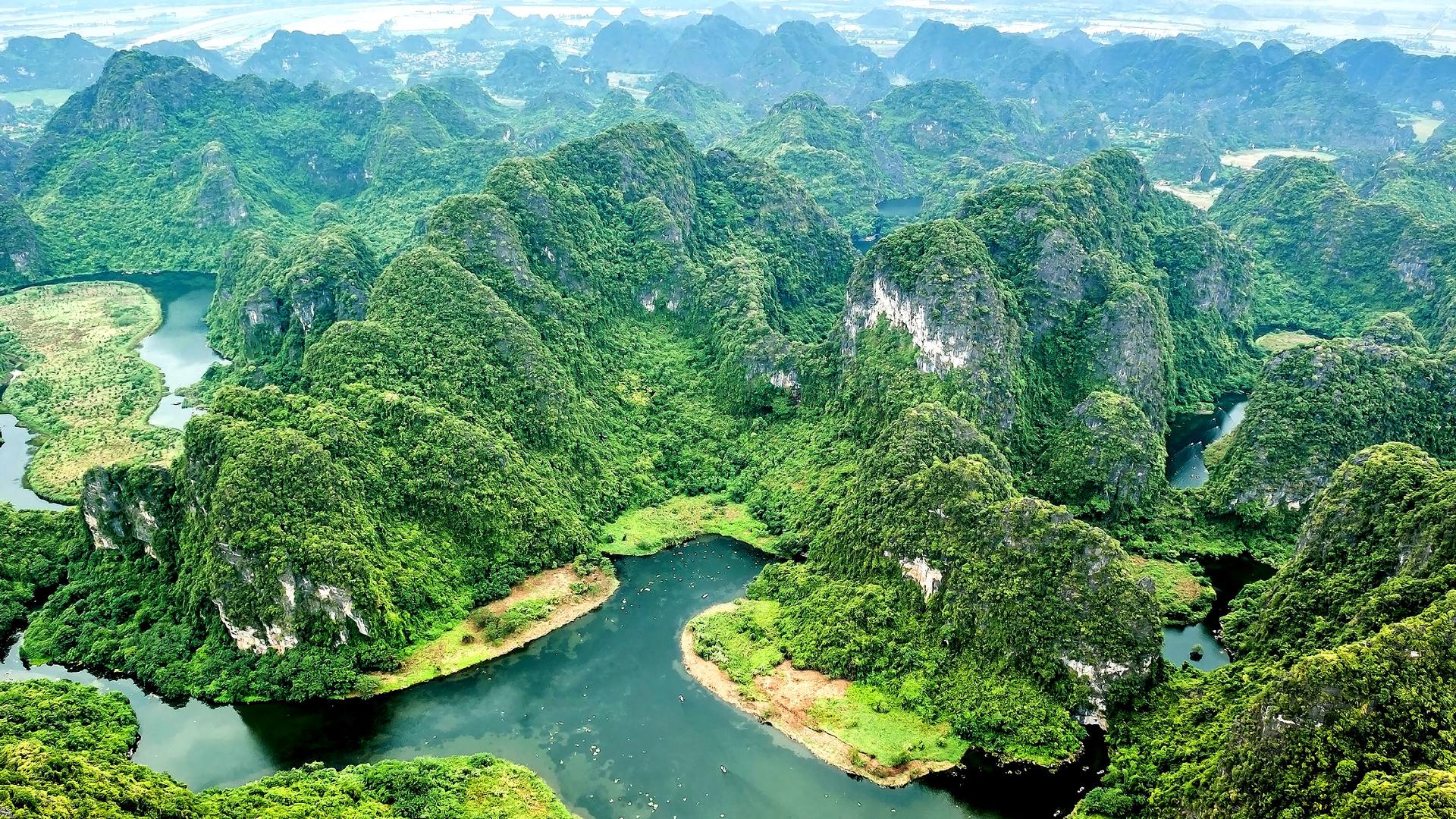
Climate change poses a significant threat to rivers across Ecuador, and the Morona River Basin exemplifies these challenges. Situated in the Ecuador-Peru Border Integration Zone within the Amazon rainforest, the basin spans approximately 10,000 hectares and is home to a diverse ecosystem, including an extensive water network and rich biodiversity of flora, fauna, and fish species. However, the region has faced persistent threats over the years, including colonization, deforestation, resource depletion, the use of explosives, and the COVID-19 pandemic.
This project, led by the Shuar Indigenous People, aims to protect and manage the Morona River Basin to mitigate the negative impacts of climate change and enhance the socio-environmental resilience of local communities.
The project is structured around three key components:
- 1. Development of Life Plans for Local Communities: The project will create Life Plans for communities living within the sacred Morona River Basin, focused on sustainable management of primary forests and biodiversity.
- 2. Training of Forest Rangers: Local Forest rangers will receive specialized training in reforestation techniques for degraded or disturbed areas.
- 3. Reforestation Initiatives: The project will focus on reforesting degraded areas with native forest species essential for biodiversity conservation and the provision of key ecosystem services. These include species such as wild cocoa, tagua, dragon’s blood, chonta, cinnamon, cedar, guaba, toquilla straw, raft, avocado, guava, guayacán, aguaje, and peanut tree.
In addition to enhancing ecological stability, these species will support local bioenterprises by providing non-timber forest products, including fruits, waxes, fibers, and essences. This will contribute to the economic empowerment and socio-environmental resilience of local communities.
