Description
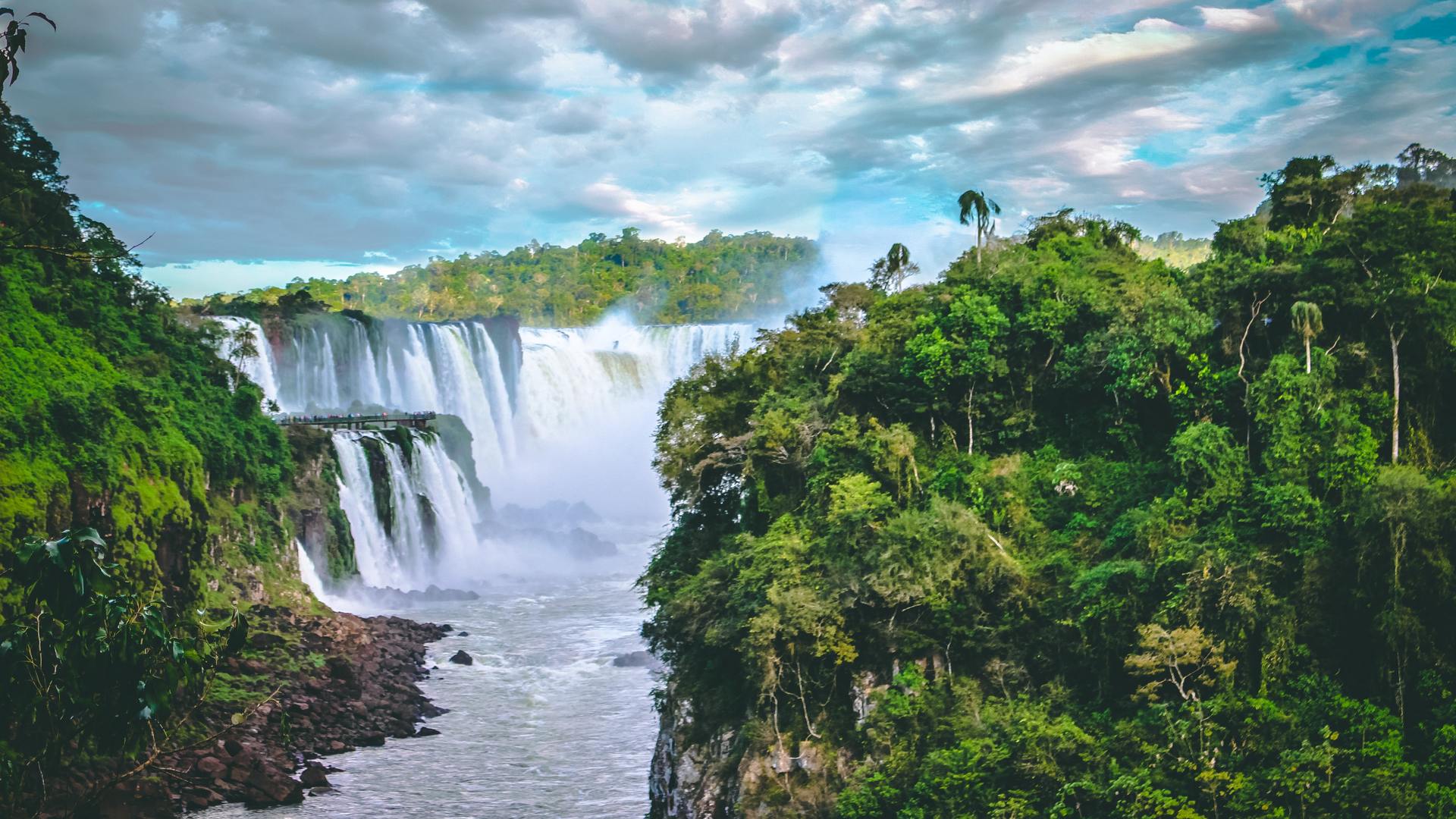
The history of Brazil is intimately linked to the Atlantic Forest, one of the greatest repositories of biodiversity in the world. It is considered one of the most important and threatened ecosystems on the planet. Chaotic development and predatory extraction of natural resources have devastated this forest, which today houses the largest urban areas in Brazil and the highest industrial concentration. The natural vegetation is considerably reduced, only 7% remains.
During the colonization - when its destruction began - and for centuries it was the largest agricultural area in Brazil. Today, it is also the largest production area for industrial goods and wood, responsible for 75% of the country’s gross national product and home to 70% of the national population. Its rivers supply more than 130 million people and irrigate the largest tracts of arable land in Brazil. But deforestation has led to a drop in water levels, soil erosion and a significant process of desertification in many regions which induce economic impoverishment of rural society.
In many parts of the planet, there are already serious conflicts over water use which, in most cases, are caused by poor management of land and resources, both in the urban context and agriculture than in industry. For these reasons, in addition to focusing on water-saving policies, large-scale action is needed to increase the supply of good quality fresh water and keep it stable.
The project consists of rehabilitating and protecting, through reforestation activities, water sources located on plots of land owned by smallholder farmers, while installing a household septic tank in each farm involved in this project (18 in total). This work is done in synergy with small rural farmers to improve their life expectancy, increasing quantitative and qualitative levels of water. It will focus on the micro-basin to produce a circular economy, through technical assistance and methodologies.
Steps to reforest and protect each water spring (about 0,5hectares of the Atlantic Forest each):
- Rural Farmers` Mobilization of 18 rural farmers.
- Environmental planning of the Property.
- Provide tools and materials including seedlings, wire, and other materials.
- Fencing and planting activities. The farmer is the responsible, under the guidance of our technicians.
- Installation of a 18 mini septic tank to treat the sewage by bacterial activity. Avoiding domestic soil contamination and groundwater will reduce the level of pathogens and organics in wastewater.
At the end of the project, it is estimated that the forest coverage will increase soil quality in ecologically strategic areas, through the planting of about 19.800 native seedlings in 18 hectares total.
